







Search Results for: flavor adjustment

Espresso Grind Size | What Factors Affect Espresso Flavor and How to Pull a Delicious Shot by Adjusting the Grind of Espresso Beans
As we all know! The condition of coffee beans and the weather are constantly changing every day, and this directly affects espresso extraction, causing the coffee's taste to vary each day due to these changes. If we want to keep the coffee consistently delicious, we have to adjust parameters to correct the coffee's flavor. And this is [more…]
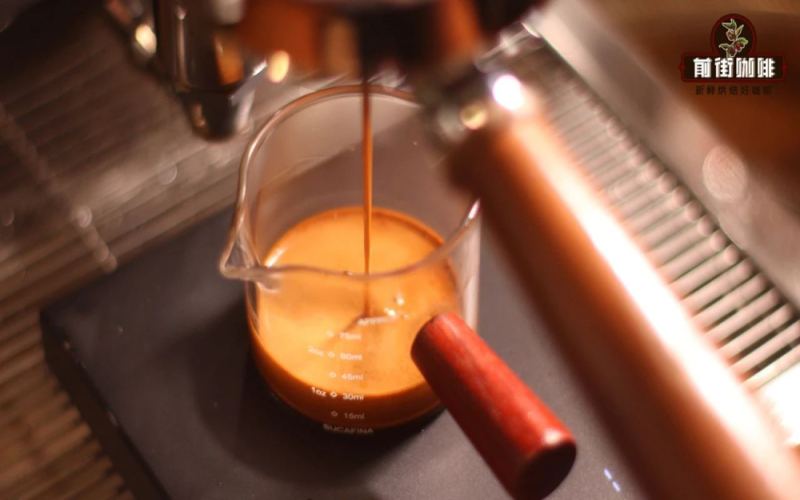
Espresso Extraction Adjustment Guide: A Full-Process Analysis from Parameter Variables to Iced Americano Preparation
The soul of an Americano lies in the quality of the espresso. Yet dialing in espresso often feels daunting—even professional baristas need multiple attempts when facing a new bean. Drawing on the hands-on experience of Front Street Coffee, this article systematically breaks down the various parameters that affect espresso extraction, explains in detail the adjustment logic behind the three core variables of grind size, dose, and yield, and offers specific correction plans based on flavor performance. In addition, the article includes a standardized procedure for making iced Americano, as well as the many health benefits of drinking Americano in moderation, providing coffee lovers with a complete reference from dialing in to serving. [more…]

How do you adjust the grind setting on an espresso grinder? Master the three-step grind adjustment method to easily fix the taste of your espresso.
Every day the coffee bean condition and weather change, and the espresso's flavor fluctuates along with them, so quickly dialing in a good espresso has become a daily must-learn lesson for baristas. Starting from actual production, this article explains how to judge whether extraction is under or over by tasting, and how to make targeted adjustments using the three variables of grind setting, dose, and liquid yield. Using a 1:2 coffee-to-water ratio and a 30-second extraction time as the baseline, Front Street Coffee shares the specific operating steps of the three-grind adjustment method combined with the flavor performance of classic blend beans, helping coffee enthusiasts find ideal parameters with only a small amount of wasted beans. [more…]
Key Variables That Determine Espresso Flavor and a Complete Guide to Making Americano
The soul of an Americano lies in the quality of its espresso, yet dialing in espresso parameters often gives coffee lovers a headache. Drawing on the hands-on experience of Front Street Coffee, this article systematically breaks down the core variables that shape espresso flavor—grind size, dose, and yield—and offers a step-by-step tuning method to help you quickly find your ideal extraction solution at home. It also provides practical guidance on working backward from flavor to adjust parameters, along with the standard method for making iced Americanos and several health benefits of drinking Americano coffee, making it a worthwhile read for anyone looking to refine their espresso skills. [more…]

Pour-Over Coffee Strength Adjustment Techniques: How Coffee-to-Water Ratio and Parameter Adjustments Affect Flavor Expression
The most direct way to adjust the strength of pour-over coffee is through the coffee-to-water ratio. If you want a bolder cup, reduce the amount of water poured; if you prefer something lighter and more refreshing, simply increase the water. However, changing the coffee-to-water ratio doesn't just affect concentration—it also shifts the extraction yield. Within the parameters recommended by Front Street Coffee, 1:15 to 1:16 works for most coffee beans: 1:15 gives a solid body and full flavor, while 1:16 is lighter and more layered. If you're brewing a dark roast and want it stronger, jumping straight to 1:13 may lead to under-extraction and a missing finish—this is where grind size and water temperature come in to help. This article will systematically sort through various approaches to adjusting concentration, including coffee-to-water ratio, grind coarseness, water temperature changes, and the By Pass technique, to help you find the balance point across different roast levels. [more…]
Espresso Extraction Recipe Adjustment Guide: From Grind Size to Dose-Yield Ratio, Quickly Find Great-Tasting Parameters
Making espresso at home with an espresso machine is most frustrating when it comes to dialing in parameters—one careless move and half a bag of beans is gone. Even professional baristas, when facing a new espresso blend, often need to pull seven or eight shots before finding a satisfying flavor. Actually, the key to taking fewer detours and quickly dialing in to a tasty state is to understand what impact each parameter change will bring. Based on Front Street Coffee's hands-on experience, this article sorts out the three major adjustable variables—grind size, dose, and yield—and, combined with the 1:2 brew ratio and 25-30 second extraction framework, teaches you how to judge the grind setting through timing differences, and gives specific adjustment directions for common problems such as burnt-bitterness and short aftertaste. [more…]
The Complete Guide to Espresso Dialing In: Parameter Adjustments from Grind Size to Yield, and Iced Americano Making
Dialing in an ideal espresso often means consuming a lot of coffee beans through repeated trial and error. This article takes a practical approach, systematically sorting out the core variables that affect espresso extraction—the interconnected relationship between grind size, dose, and yield—and provides a step-by-step adjustment strategy: first use a 1:2 brew ratio to lock in the time range, then fine-tune parameters based on flavor performance. The article also specifically reminds readers of how operational details like distributing and tamping can interfere with extraction stability, and recommends Front Street Classic Blend and Strawberry Candy Espresso suitable for both home and café use. Finally, using iced Americano as an example, it demonstrates the practical application of espresso in specialty drinks, helping coffee enthusiasts avoid detours and efficiently find their desired flavor state. [more…]
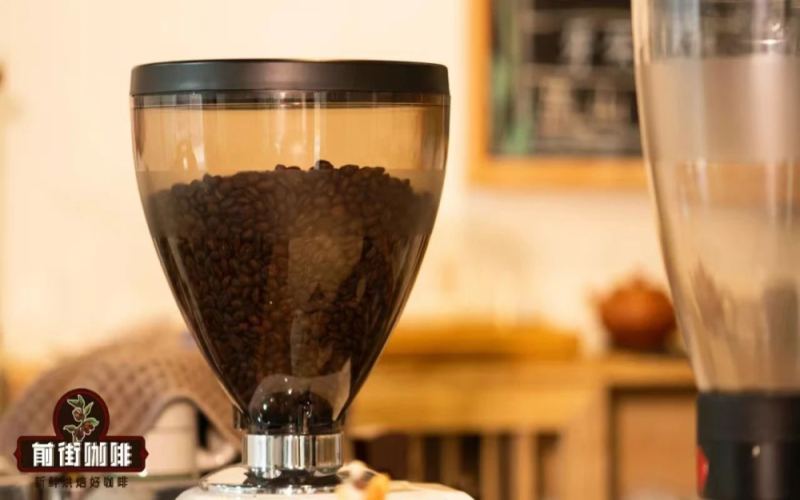
Espresso Extraction Adjustment Guide: Americano Time Control and Iced Americano Flavor Analysis
When brewing espresso, have you ever encountered this dilemma: you extract a cup full of anticipation, only to find it piercingly sour or bitter and astringent on the first sip? Many friends who make espresso at home know this all too well—the battle of dialing in espresso is far more complicated than imagined. Yesterday the flavor was still satisfying, but today it has completely changed. Is there a way to quickly get the espresso taste back on track while minimizing coffee bean waste? This article will focus on several core points of espresso extraction, including how to choose stable espresso beans, why coffee beans change flavor, how to fine-tune the extraction ratio and dose, when to adjust the grind size, and the extraction time for Americano as well as the taste characteristics of iced Americano, helping you quickly master the adjustment logic and consistently produce a delicious Americano or latte at home. [more…]
The Art of Making Americano and a Guide to Healthy Drinking: Espresso Extraction Adjustments and an Analysis of Black Coffee's Benefits
The essence of Americano is the combination of espresso and water, so the quality of a cup of Americano depends on the extraction quality of the espresso. However, adjusting espresso parameters often consumes a large amount of beans and time, and even professional baristas need multiple attempts when facing new beans. This article will systematically explain how to quickly and economically find suitable espresso parameters, analyze the adjustment logic of the three major variables—grind size, dose, and yield—and share pairing suggestions for Front Street specialty blend coffee beans. At the same time, the article will also introduce the benefits of black coffee and healthy drinking methods, helping coffee lovers enjoy deliciousness while also taking care of their health. [more…]

How to Quickly Correct Espresso Flavor? Master the Core Techniques of Espresso Extraction Parameters
Every day the coffee bean condition and the weather keep changing, and the taste of espresso fluctuates along with them. Morning-shift baristas must learn to adjust parameters quickly to keep the output consistent. This article takes a practical approach and teaches you how to judge under-extraction or over-extraction through tasting, use the three variables of dose, grind, and liquid yield, and combine Front Street Coffee's classic blend with its 1:2 coffee-to-water ratio and 30-second extraction formula to dial in the ideal espresso with the three-grind adjustment method or even fewer attempts, reducing waste and saying goodbye to the misery of endless dialing until your head spins. [more…]
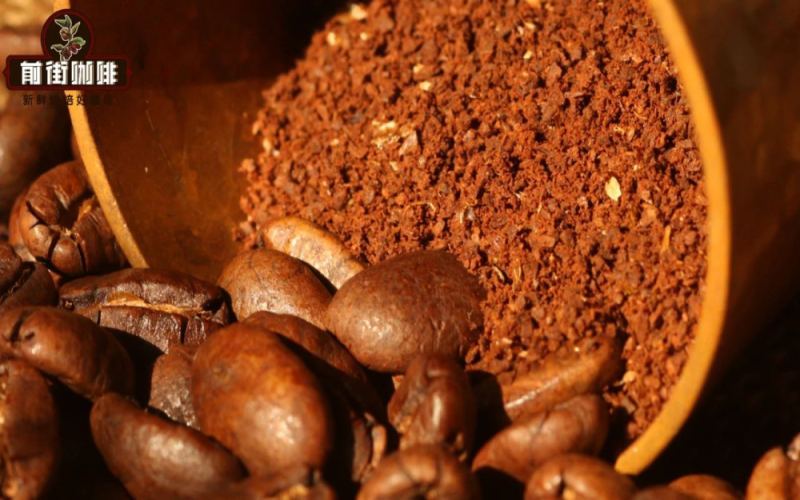
The Complete Guide to Espresso Grind Adjustment: A Practical Handbook from Beginner Basics to Flavor Fine-Tuning
Grind size is the most critical and most difficult variable to master in espresso extraction, far more demanding than what pour-over coffee requires. The slightest deviation, even just 0.1 of a notch, can lead to over-extraction or under-extraction. Drawing on the practical experience of Front Street Coffee, this article systematically breaks down the two steps for adjusting espresso grind size: first, preliminarily locking in the grind range, then fine-tuning based on flavor and extraction state. At the same time, in response to the different characteristics of medium-dark roasted blends and medium roasted SOEs, it provides reference standards for coarseness and fineness, and answers why buying pre-ground coffee powder is not recommended. [more…]
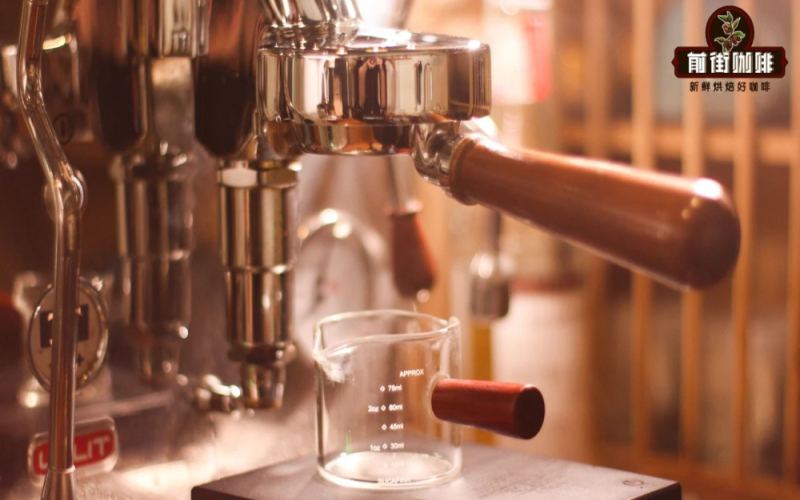
Americano Features | What Factors Affect Espresso Quality? What Is the Espresso Extraction Formula? Introduction to Iced Americano Ratio and Method
For more specialty coffee knowledge, please follow our WeChat official account: FrontStreet Coffee. Anyone who has made coffee knows that a standard Americano is made by combining espresso with water—meaning whether an Americano tastes good depends entirely on the quality of the espresso. Extracting espresso. [more…]
Espresso Extraction Adjustment Guide: A Complete Workflow from Parameter Principles to Iced Americano Preparation
When it comes to using an espresso machine at home, nothing is more frustrating than dialing in a shot: you go through most of a bag of beans and the taste still isn't right. Even professional baristas need seven or eight trial-and-error shots to find the ideal state when switching to a new bean. This article draws on Front Street Coffee's hands-on experience to lay out an efficient approach to dialing in espresso — first explaining the roles of the three core variables (grind size, dose, and yield), then walking through how to quickly lock in reasonable parameters using a 1:2 brew ratio and a 25-to-30-second time frame, and finally offering specific correction directions for common problems like burnt bitterness, short finish, and flat flavor. Once everything is dialed in, a complete recipe for a café-quality iced Americano is included as well. [more…]
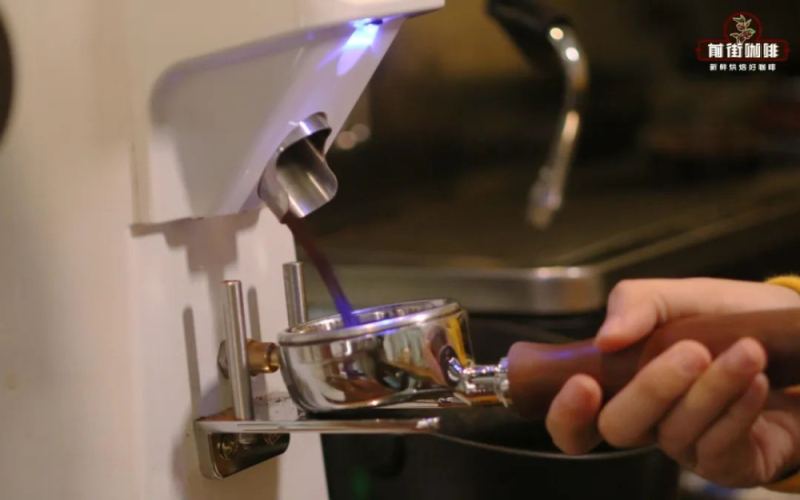
How does espresso grind size affect flavor? A guide to common setting references and adjustment approaches
Grind size is one of the key variables that determines the direction of coffee flavor, especially in the pressurized, short-extraction espresso system, where a tiny change in the setting can tip a shot from balanced to over-extracted or under-extracted. This article focuses on how grind size affects taste. It first explains why a standard sieve is needed to confirm the actual particle size, then compares the different tolerances for grind precision in pour-over versus espresso, and afterward gives beginners a two-step method to quickly lock in the espresso grind range, along with guidance on fine-tuning based on flavor feedback. The article also explains why Front Street Coffee recommends buying whole coffee beans rather than pre-ground coffee, helping readers build a daily grind-calibration management habit. [more…]
A Complete Guide to Making Americano: From Espresso Extraction Adjustment to the Unique Charm and Health Benefits of Black Coffee
American coffee, seemingly simple, is actually a delicate combination of espresso and water, and its flavor depends entirely on the quality of the espresso. For coffee enthusiasts or home baristas, dialing in a perfect espresso is often time-consuming and laborious, and may even consume a large amount of coffee beans. This article takes a practical approach and systematically explains how to quickly and efficiently adjust espresso parameters—grind size, dose, and yield—and provides a detailed explanation of the suitable scenarios for Front Street Specialty Blend and Strawberry Candy Italian Blend. It also explores the characteristics of black coffee: boosting metabolism and relieving fatigue. One to two cups of American coffee a day can not only help intestinal movement but also effectively prevent caffeine addiction. Whether you are a beginner or an advanced player, you can find practical guidance and flavor inspiration here. [more…]
Master the Three Extraction Variables to Easily Adjust Your Espresso Recipe
For baristas who work with espresso machines every day, adjusting the espresso recipe is a familiar daily routine. Only through repeated tasting and fine-tuning of the grind size and coffee-to-water ratio can you produce a truly satisfying cup. Starting from the basic principles of extraction, this article introduces the three core parameters of recipe adjustment—dose, yield, and extraction time—and explains why grind size is the only lever for changing the recipe. It also explores the origin of the 18–22% golden extraction range and how to use a refractometer to scientifically measure extraction results. Whether you are a coffee professional or a seasoned enthusiast, these methods can help you optimize your espresso recipe more rationally. [more…]
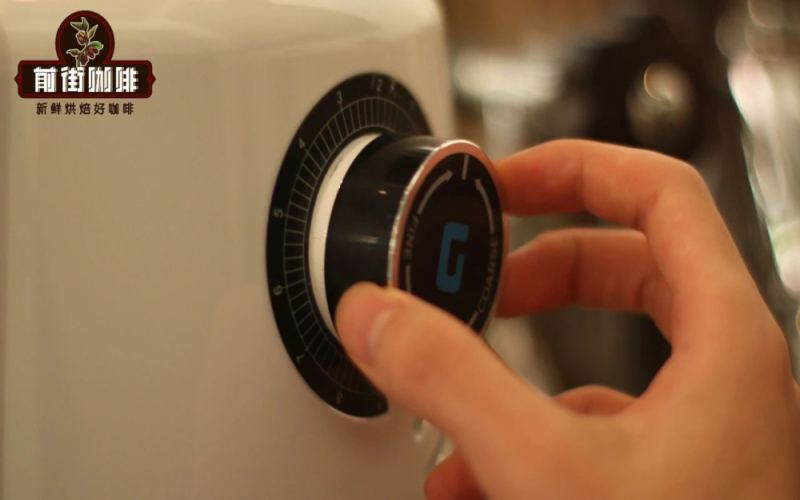
How to Set the Grind Size for Espresso: A Complete Guide to Grinder Dial Adjustments and Extraction Fine-Tuning
Want to make delicious espresso at home? Grind size is the most headache-inducing part. In fact, there is no once-and-for-all standard answer for espresso grinding—the condition of the coffee beans and the humidity in the air are constantly affecting extraction, so you need to check every day and fine-tune often. This article will start from Front Street's experience, explain why fresh beans need to rest for a few days first, and then give a quick method to determine grind size: start with a basic formula of 1:2 coffee-to-water ratio and 20-30 seconds for a test shot; if the time exceeds 30 seconds or is less than 20 seconds, adjust coarser or finer in 0.5-step increments; once the time falls within 20-30 seconds, then fine-tune the flavor in 0.2-step increments by tasting Americanos and lattes. Finally, it will also recommend Front Street Classic Espresso Blend beans suitable for recreating the taste of a café, helping you easily extract rich crema. [more…]

What Causes Over-Extraction in Espresso? Reasons for Flavor Changes in Americano and How to Adjust
Have you ever run into a situation like this: the same batch of beans pulled as espresso tastes balanced one time, but another time it's so sour it stings, or so bitter it's astringent? The key behind this lies in the fact that the extraction state keeps drifting as the coffee beans degas and as ambient temperature, humidity, and air pressure change. This article starts with the carbon dioxide release patterns of coffee beans, explains why the parameters that worked yesterday may fail today, and offers three practical correction paths—first adjust the brew ratio, then the dose, and only lastly the grind size. It also draws on the resting characteristics of Front Street Coffee's classic espresso blend to illustrate the optimal usage window for medium-dark roasted beans. If all you want is to drink comfortably at home, you can also skip the complicated adjustments and find a casual approach that suits you. [more…]
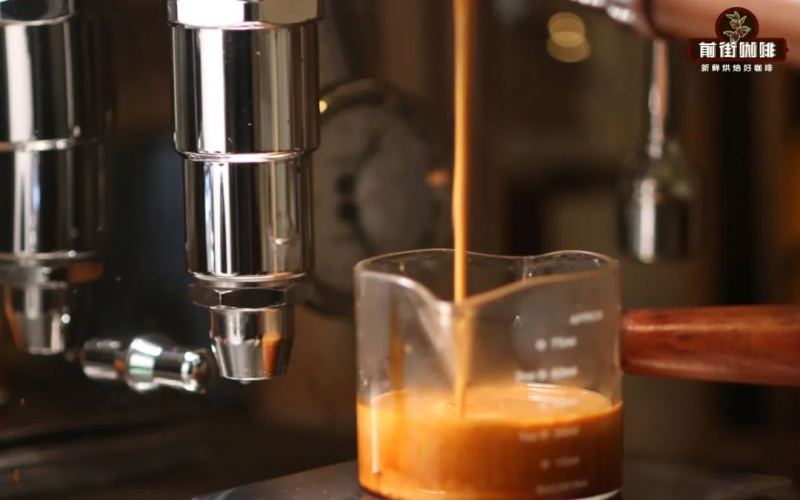
Espresso Grind Size|How Fine Should Espresso Coffee Grind Be and How to Adjust It
Espresso is the foundation of Italian-style coffee. The wide variety of milk coffees we see on café menus are mostly based on espresso. In addition, although many people like espresso with milk added, there is still a group of enthusiasts who love espresso. No matter from which angle you consider it, making [more…]
Espresso Grind Size Adjustment Guide: A Practical Approach from Beginner to Precise Fine-Tuning
How fine exactly should the grind size for espresso be? This is a core question that troubles many home coffee enthusiasts. Taking a practical approach, this article systematically explains how to judge whether the grind size is appropriate through extraction time and flavor feedback, and emphasizes that dialing in the grind is not a one-time task—the condition of the coffee beans, air humidity, and even the resting time after roasting can all affect extraction stability. The article also introduces a basic formula for quickly determining the initial grind size, as well as specific methods for fine-tuning by tasting the espresso. Finally, Front Street Coffee's classic espresso blend, recommended as a bean suitable for recreating café flavors at home, is also introduced in detail in the article. [more…]